🏗️ Introduction
The construction industry is evolving faster than ever. Traditional methods of design and drafting are giving way to smarter, more collaborative approaches. At the heart of this transformation is Building Information Modeling (BIM) — a process that integrates design, visualization, and data management into one powerful tool.
🔍 What Is BIM?
BIM is more than just 3D modeling. It’s a digital representation of a building’s physical and functional characteristics, accessible to architects, engineers, contractors, and clients alike. Unlike traditional CAD drawings, BIM provides real-time insights into materials, costs, and performance.
🚀 Why BIM Matters
- Error Reduction: Detects clashes between systems (like HVAC and electrical) before construction begins.
- Cost Savings: Minimizes rework and optimizes material usage.
- Collaboration: Ensures all stakeholders work from the same digital model.
- Sustainability: Helps design energy-efficient buildings by simulating performance.
- Future-Proofing: Supports facility management long after construction is complete.
🌍 Global Adoption
Countries like the UK, USA, and Australia have already mandated BIM for public projects. Private developers are following suit, recognizing that BIM delivers faster timelines and better quality.
💡 How SoyalandBIM Helps
At SoyalandBIM, we provide BIM services from LOD 100 to LOD 500, ensuring every stage of your project is covered — from concept design to detailed construction documentation. Our team specializes in:
- Scan-to-BIM conversions
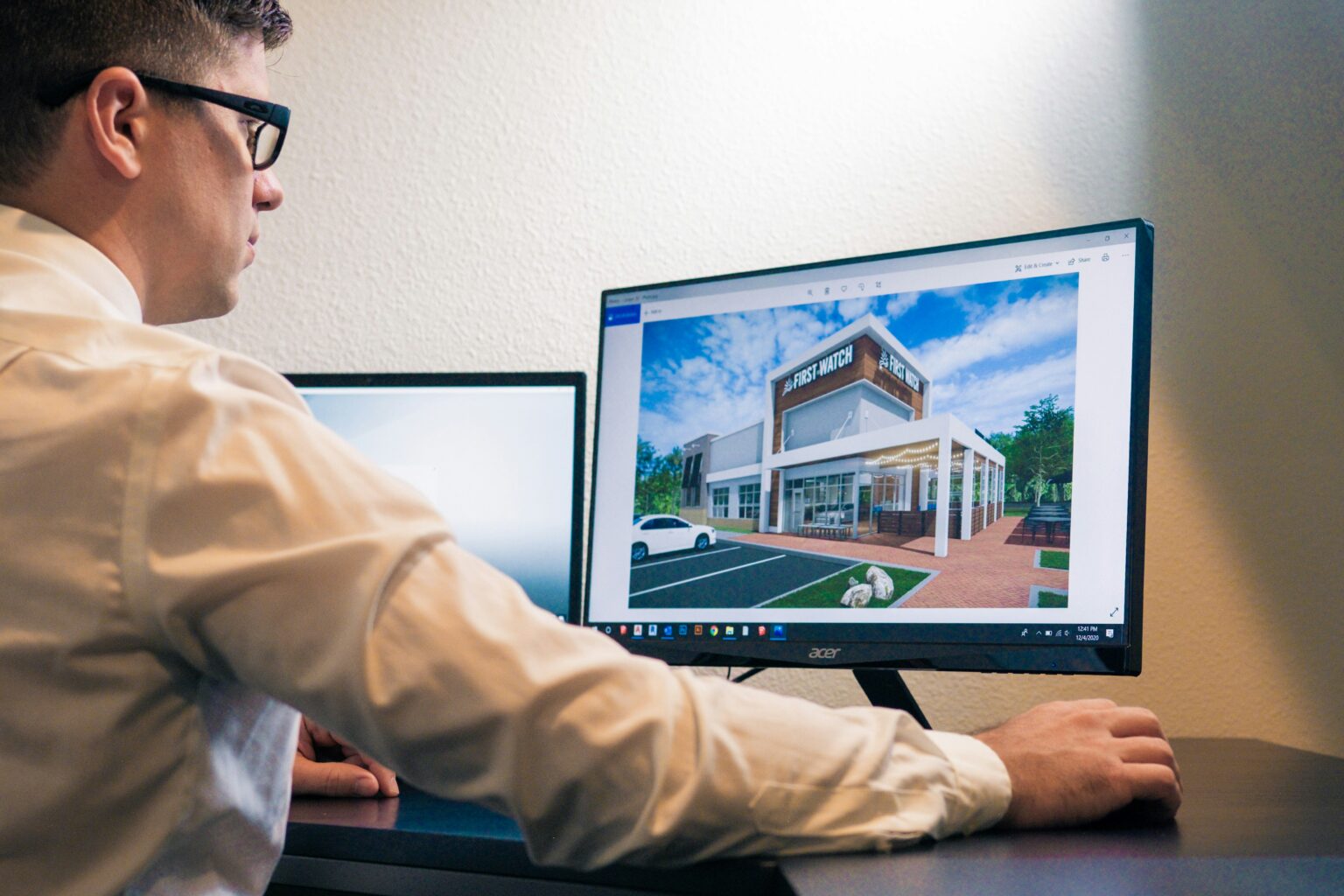
- 3D visualization and rendering
- CAD-to-BIM transitions
- Interior and exterior modeling
📈 Conclusion
BIM isn’t just a trend — it’s the future of construction. By embracing BIM today, architects and developers can save time, reduce costs, and deliver projects that stand the test of time.